
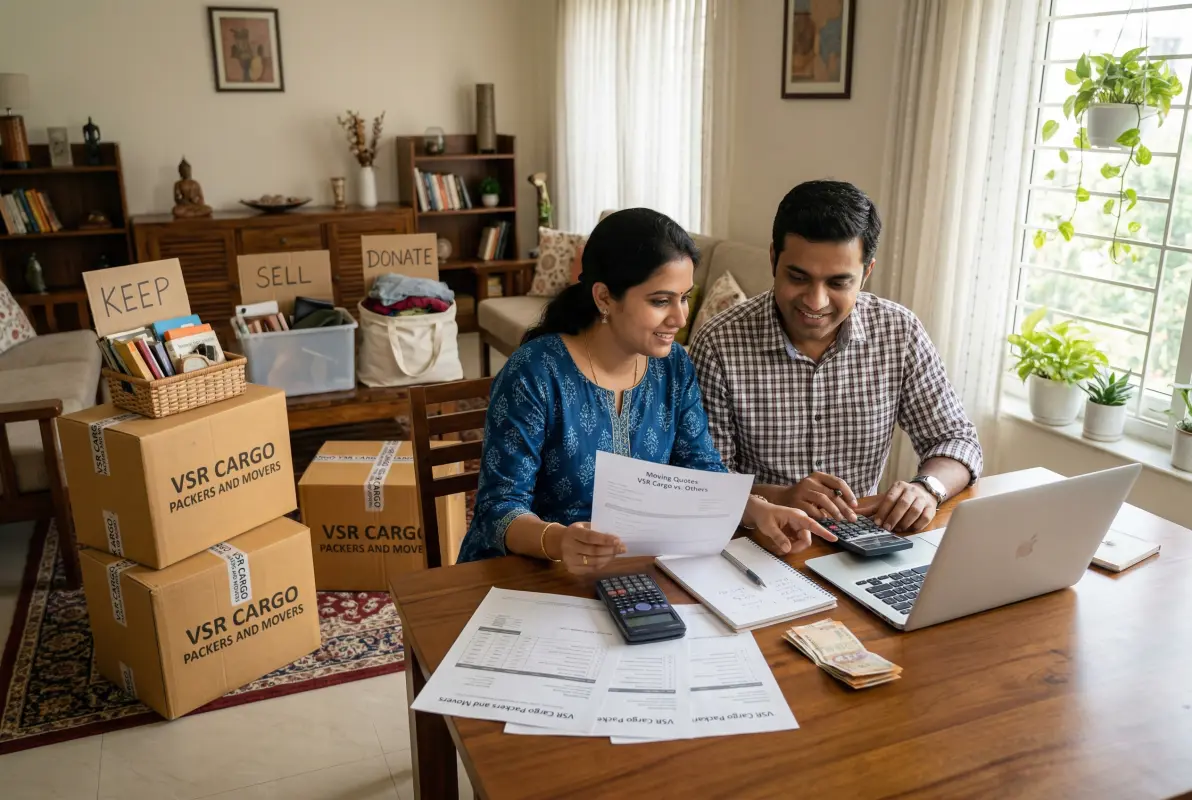
Moving to a new home or office is an exciting life event, but it can also be expensive. Between hiring packers and movers, purchasing packing materials, paying for temporary storage, and managing all the associated logistics, relocation costs can quickly add up. The good news is that with smart planning and a few strategic decisions, you can significantly reduce your moving costs without compromising on the quality and safety of your relocation. Here are the most effective, practical ways to save money on your next move.
Understanding What Drives Moving Costs
Before exploring ways to save, it helps to understand the key cost drivers in a typical relocation. Moving costs are primarily determined by the volume and weight of goods being moved, the distance between origin and destination, the type and extent of services required (packing only, loading/unloading, full door-to-door), the time of year and day of the week, and add-ons like insurance, storage, and special handling for fragile items.
Most of these factors can be influenced through smart planning and decision-making. The tips below address each of these cost drivers directly, giving you practical levers to pull when negotiating with your moving company or planning your relocation strategy.
1. Declutter Ruthlessly Before the Move
The single most powerful way to reduce your moving cost is to reduce the volume of goods being moved. Moving companies charge based on the cubic footage or weight of your shipment — every item you decide not to move directly lowers your bill. Go through every room before packing begins and be ruthless about what actually needs to come with you.
Create three piles: keep, sell/donate, and discard. Old furniture that has seen better days, kitchen appliances you rarely use, clothes that no longer fit, outdated electronics, and duplicate items all represent hidden moving costs. Selling items through platforms like OLX or Facebook Marketplace can actually generate income that offsets your moving expenses. Donating to local charities or NGOs is both cost-effective and socially beneficial.
2. Book Your Move Well in Advance
Last-minute bookings almost always cost more. Moving companies charge premium rates for urgent moves — both because of the logistical challenge of rearranging their schedules and because you have less negotiating power when you are booking at the last minute. Booking your move 4 to 8 weeks in advance gives you significantly more leverage to negotiate pricing and ensures you get your preferred dates.
Early booking also allows you time to compare multiple quotes, verify the moving company's credentials, and plan every aspect of the move properly. Rushed moves are not just more expensive — they are also more likely to result in damaged goods and forgotten details that create problems down the line.
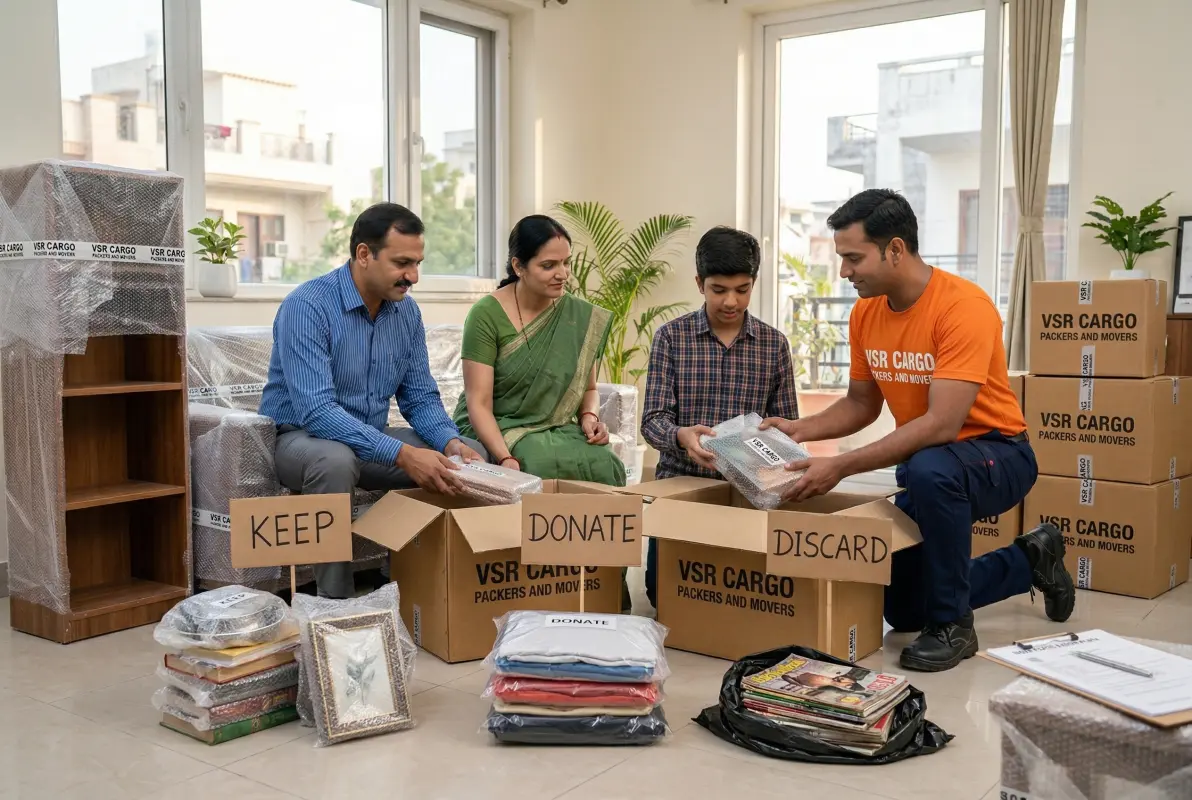
Decluttering before your move is the single most effective way to reduce relocation costs.
3. Move on a Weekday or Mid-Month
The timing of your move significantly affects the cost. Weekends are peak demand periods for moving companies — most families prefer to move on Saturday or Sunday to avoid taking leave from work. This high demand allows movers to charge premium weekend rates. If your schedule allows, moving on a weekday — particularly Tuesday, Wednesday, or Thursday — can result in meaningful savings.
Similarly, the end of the month (last week) and the beginning of the month (first week) are peak times because most lease agreements end on the last day of the month, creating a surge in move demand. Moving in the middle of the month typically means lower rates and greater availability. The months of May through July are also peak moving season in India because of school year transitions — moving during the November to February period can offer off-season pricing advantages.
4. Get and Compare Multiple Quotes
Always obtain written, itemized quotes from at least three moving companies before making a decision. A detailed quote allows you to compare not just the total price but what is included — packing materials, labor, insurance, transport, loading and unloading — and identify areas where one company offers more value than another.
When comparing quotes, beware of unusually low bids. These often come with hidden charges that appear at delivery time, or reflect lower service standards that may result in damaged goods. The goal is not to find the cheapest quote but the best value — a professional company with transparent pricing, good reviews, and proper credentials like IBA approval and government registration. You can always negotiate with your preferred company once you have competitive quotes in hand.
5. Do Some of the Packing Yourself
Full-service packing is convenient but adds significantly to your moving cost. If you are comfortable doing so, consider packing non-fragile items yourself — books, clothing, linens, kitchenware, and decorative items are all relatively straightforward to pack safely. Leave fragile items, electronics, antiques, and valuable artwork for professional packers to handle, since improper packing of these items can result in damage that costs far more than the packing fee.
When packing yourself, invest in quality materials. Well-sealed, properly padded boxes are far less likely to result in damage claims. Use clothing and towels as padding material inside boxes — this both protects items and reduces the amount of bubble wrap you need to purchase. Label every box clearly on the top and sides with room, contents, and whether fragile.
6. Source Free or Low-Cost Packing Materials
New packing materials are a significant expense. Before purchasing boxes, bubble wrap, and packing paper, explore free alternatives. Supermarkets, electronics stores, bookshops, and liquor stores regularly discard sturdy cardboard boxes that are perfect for moving. Ask your local stores a week before your move and you can often collect enough boxes for free.
Use household items as padding: towels, sheets, blankets, scarves, and clothing can all wrap fragile items effectively. Newspapers and old magazines, while not ideal for very delicate items (ink transfer can occur), work adequately for most non-porous items. For professional-grade bubble wrap and specialty materials, purchase only what you genuinely need for fragile and high-value items.
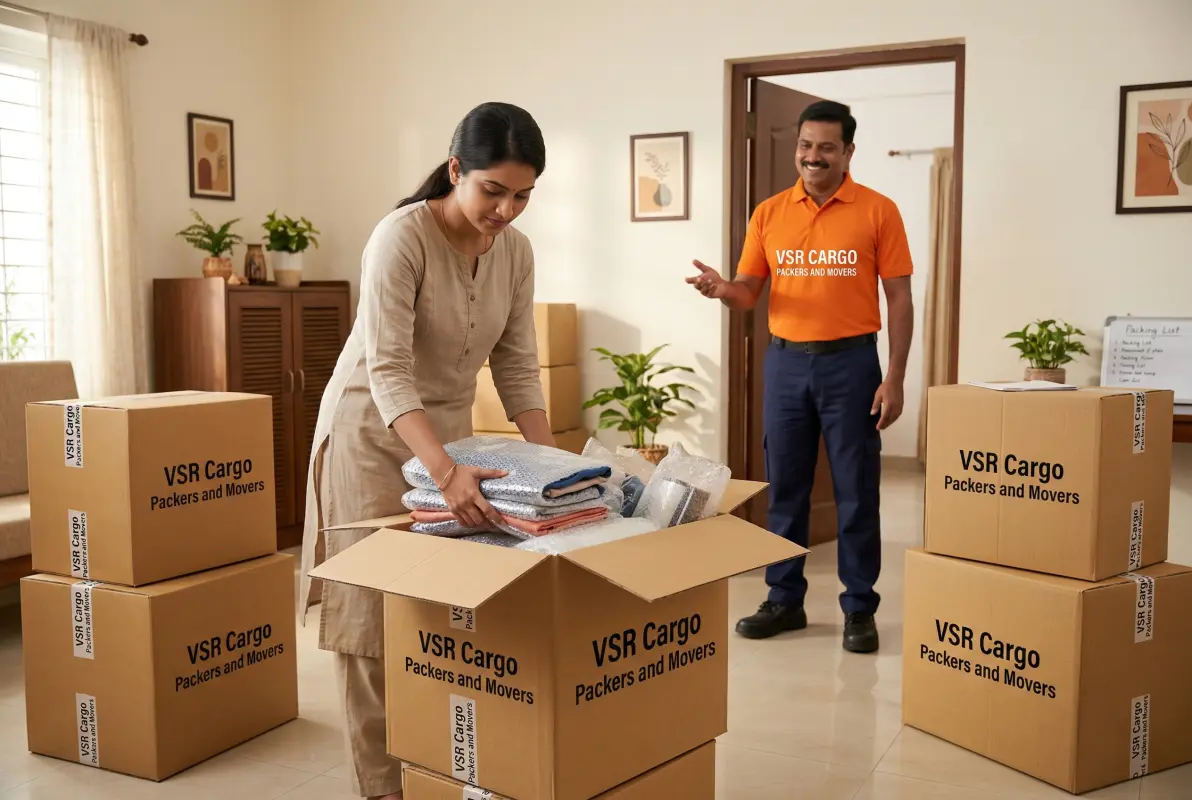
Packing non-fragile items yourself can meaningfully reduce your total moving cost.
7. Avoid Temporary Storage When Possible
Storage is an often-overlooked moving cost. If your move-in date at the new home does not align with your move-out date at the old one, you may need temporary storage for your goods — which adds to your total cost. Whenever possible, try to align your move-in and move-out dates to avoid the need for interim storage.
If storage is unavoidable, compare rates carefully and opt for the shortest storage period you can manage. Some moving companies include a short period of complimentary storage as part of their service package — ask about this when negotiating your quote. If you need storage for specific items rather than your entire household, consider whether a smaller, dedicated self-storage unit is more cost-effective than full warehouse storage of all your goods.
8. Disassemble Furniture Yourself
Large furniture items like beds, wardrobes, bookshelves, and dining tables often need to be disassembled for transport and reassembled at the destination. Moving companies typically charge for this service. If you are comfortable doing so, disassembling your furniture before the movers arrive saves both time and money.
Keep all bolts, screws, and hardware together in labeled zip-lock bags taped to the relevant furniture piece so nothing gets lost. Photograph complex assemblies before disassembly so you have a reference for reassembly at the new location. For very complex or heavy furniture, it may be worth paying for professional disassembly and reassembly to avoid the risk of damage or injury.
9. Transfer Rather Than Replace Appliances
Large appliances like refrigerators, washing machines, air conditioners, and water heaters represent significant value. While there is a cost to transporting them, it is almost always lower than the cost of purchasing new ones at your destination. Ensure appliances are properly prepared for transport — refrigerators should be defrosted and dried for 24 hours before moving, washing machine drums should be secured with transit bolts, and air conditioners should be professionally disconnected and re-installed.
One exception: if an appliance is old and frequently malfunctioning, the move is a natural opportunity to replace it. Moving an unreliable appliance only to have it fail at your new home means you end up paying both the transport cost and the replacement cost.
10. Do Not Skimp on Insurance
While cutting costs is the theme of this article, transit insurance is one area where you should not skimp. The cost of comprehensive goods insurance is typically 1–2% of the declared value of your goods — a small fraction of the financial exposure you face without it. A single damaged television, broken antique, or water-damaged set of documents can cost more than the insurance premium for your entire shipment.
Think of transit insurance not as an added expense but as a cost management tool — it converts an unpredictable, potentially large financial risk into a small, predictable premium. Always choose insurance that covers the full declared value of your goods, not just a nominal amount.
Get the Best Value for Your Move
VSR CargoPackers and Movers provides transparent, competitive pricing with no hidden charges. Get a detailed free quote and see how we can deliver professional relocation at the best value.
Conclusion
Saving money on your move does not mean compromising on quality or safety. By decluttering before packing, booking early, timing your move strategically, comparing multiple quotes, doing some packing yourself, and using free packing materials where appropriate, you can meaningfully reduce your relocation costs while still receiving professional, reliable service.
The key is to be an informed, proactive customer — understand what drives costs, identify where you can genuinely save, and invest in the areas (like insurance and quality packing for fragile items) where cutting corners would be counterproductive.
At VSR CargoPackers and Movers, we believe in complete pricing transparency. There are no hidden charges, no surprise fees at delivery, and no compromise on the safety of your belongings. Get in touch with us for a free, detailed quote and discover how we can deliver premium relocation service at the best possible value.